
 Shopping in


 Can't find what you are looking for?


 Free Delivery Over $30
  You are [TOTALSAVINGS] with Super Saver


![[Name1]](images/quicly-logo-black.png)


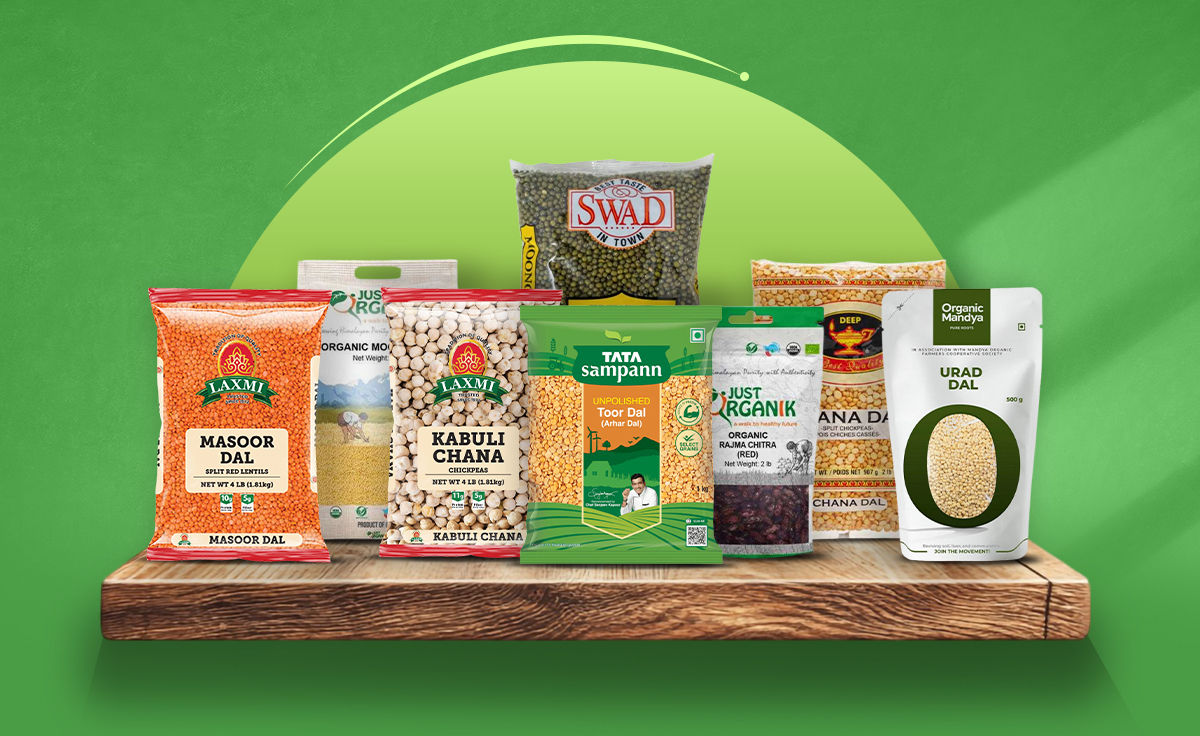
Not sure which Indian dal to pick? Here's a simple guide to the most common Indian lentils, what they taste like, and what to cook with them.
Walk into any Indian home and you'll find a bunch of dal containers sitting in the kitchen. There's always more than one. That's because different Indian dals do different things, and once you know which one is which, cooking becomes a lot easier.
If you're stocking essential pantry staples for the first time or just tired of grabbing the wrong bag at the store, this guide will help. Here, we have shared different types of Indian pulses and lentils you'll actually use.
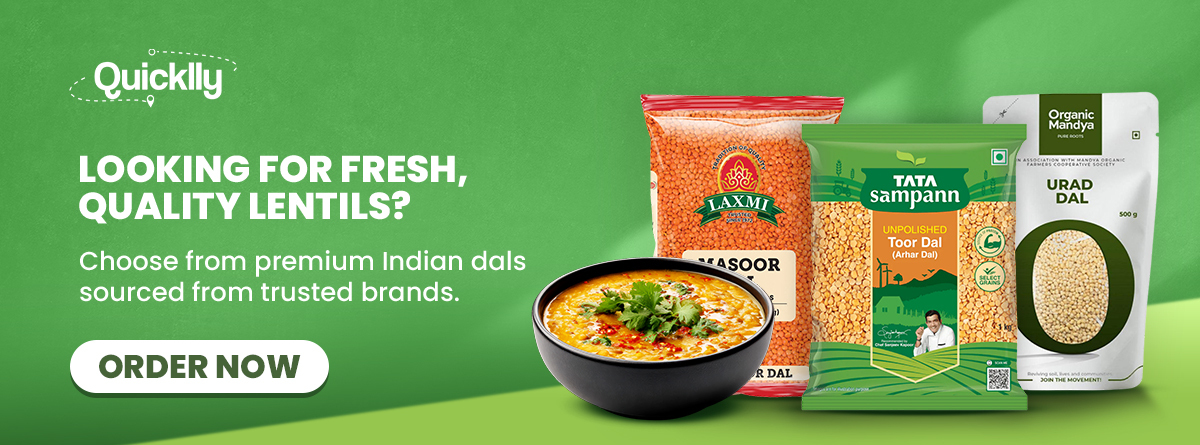
Most Common Types of Indian Lentils & Their Uses
Indian cooking uses a lot of different lentils and pulses. Some melt down and get creamy. Some stay firm and hold their shape. Some go well in everyday dals, others go into snacks or even sweets. Here are the common types of lentils you'll find most while shopping for Indian pantry essentials online.
1. Toor Dal
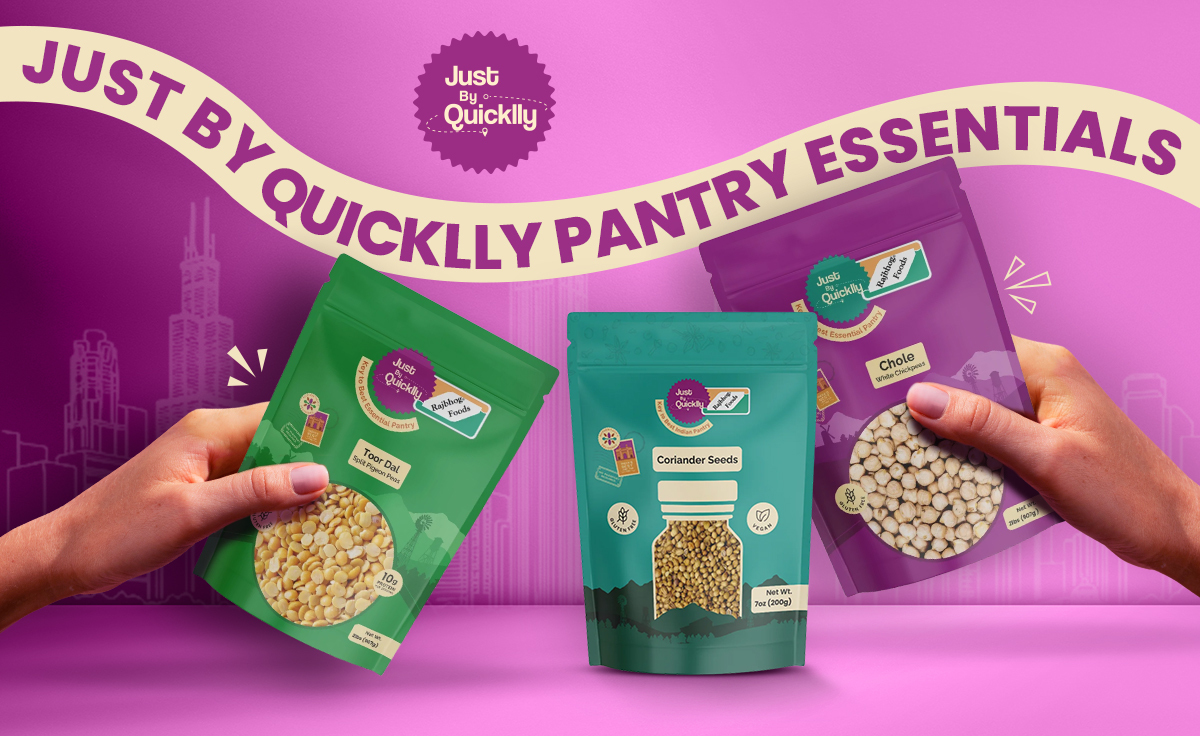
Toor dal is the most common dal in Indian kitchens. It has an earthy taste and gets thick and smooth when cooked. This dal is also a good source of protein and fiber. So, make sure to buy toor dal online when you shop next.
Common dishes-
-
Dal tadka
-
Sambar
-
Rasam
-
Gujarati dal
-
Panchmel dal
2. Moong Dal
Moong dal is light, easy to digest, and cooks fast. It has a mild flavor and goes soft and creamy in the pot. If you're choosing between moong dal vs toor dal, moong is the lighter one. Great for when you want something easy on the stomach. It has good protein and folate too.
Common dishes-
-
Moong dal khichdi
-
Dal tadka
-
Moong dal halwa
-
Pesarattu (green moong crepes)
3. Masoor Dal
Masoor dal is the quickest one to cook. No soaking needed, and it's ready in minutes. It has a mild, slightly nutty taste and turns into a smooth dal when cooked. This dal has a good source of iron and protein. If you're short on time, this is the one to reach for.
Common dishes-
-
Masoor dal fry
-
Dal soup
-
Bengali masoor dal
4. Chana Dal
Chana dal is split chickpea. It has a nuttier, slightly sweet taste and doesn't go mushy like other dals. It keeps a bit of bite even after cooking. This dal is high in protein, and it doesn't spike blood sugar as quickly as other lentils. If you are looking to buy chana dal online, you'll find popular brands to buy from.
Common dishes-
-
Chana dal fry
-
Dal baati churma
-
Chana dal chutney
-
Puran poli
-
Chana dal khichdi
5. Urad Dal
If you are looking to buy urad dal online, just know that it comes in two forms: split white and whole black. It's thick and creamy. The whole black version is what makes dal makhani so heavy and satisfying. The split white version goes into idli and dosa batter. It's a real Indian pantry essential and pretty hard to replace with anything else.
Common dishes-
-
Dal makhani
-
Idli and dosa batter
-
Medu vada
-
Urad dal tadka
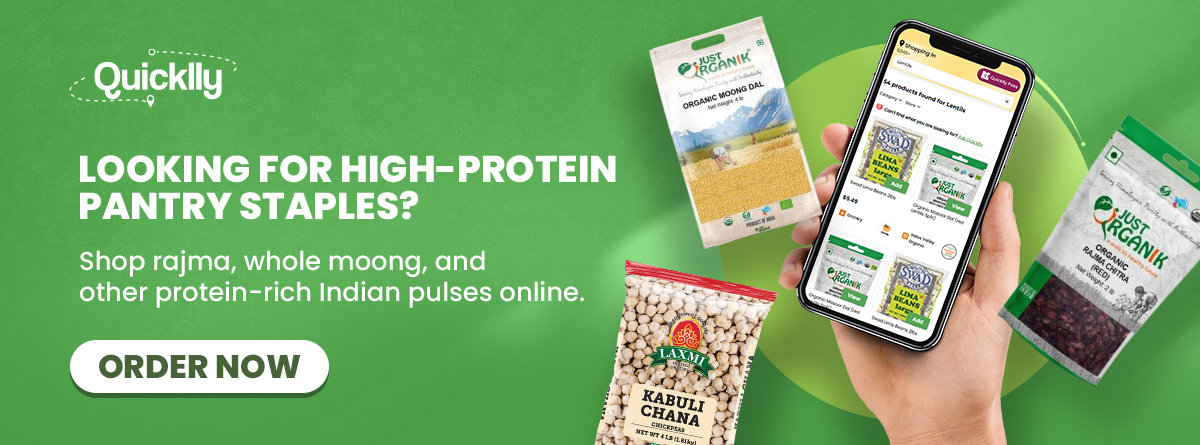
6. Rajma
Rajma are kidney beans. They're whole, firm, and soak up whatever spices you cook them in. Rich in protein, fiber, and carbs, they make for a proper filling meal. Search for the best rajma near me online, and you'll find clean and authentic products from trusted brands.
Common dishes-
-
Rajma chawal
-
Rajma curry
-
Rajma wraps and bowls
7. Sabut Moong
Sabut moong is just a whole moong with the green skin still on. It holds its shape when cooked and has a slightly earthy taste. These are one of the most nutrient-dense Indian pulses you can buy. High in protein, fiber, and antioxidants. It's also the easiest one to sprout at home if you want to eat it raw or add it to salads.
Common dishes-
-
Sabut moong dal
-
Moong sprout salad
-
Moong bean curry
-
Sprouted moong chaat
8. Kabuli Chana
Kabuli chana are white chickpeas. They need soaking and take a while to cook, but the result is filling and really satisfying. It is one of the highest-protein Indian pulses you'll find. Make sure to put it on your essential pantry items list for your next grocery shopping.
Common dishes-
-
Chole
-
Chana chaat
-
Pindi chole
-
Chickpea salad
Get these lentils and pulses in your pantry, and the hard part is already done. If you are looking to buy pantry staples online, remember that stores listed on Quicklly have them all.
Best Cooking Tips for Indian Lentils
It's nothing complicated to cook lentils. You just need a few things to keep in mind that'll actually help.
1. Rinse first
Give your lentils a quick rinse two or three times before cooking. Removes extra starch and anything on the surface.
2. Soak when needed
Split dals like toor, moong, and masoor don't need soaking. Whole ones like rajma, kabuli chana, and sabut moong do. Soak them for 6 to 8 hours before cooking.
3. Use a pressure cooker
It cuts down cooking time a lot. Most split dals are done in 2 to 3 whistles. Whole legumes take a bit longer.
4. Don't skip the tadka
That last step of pouring hot tempered oil over the dal is what makes it taste like actual dal. Add cumin, garlic, and dried chili in ghee or oil for that tasty tadka.
How to Store Indian Lentils
Storing lentils right means they last longer and stay good to cook with. Here's what you can do-
1. Use airtight containers
Once you open a bag, move the lentils into a jar or container with a tight lid. This keeps moisture and bugs out.
2. Keep away from heat
Don't store them near the stove or in direct sunlight. A cool, dry pantry shelf works best.
3. Label with the date
Most dried lentils last up to a year. Writing the date helps you use older stock first and know when to restock your Indian pantry essentials.
4. Check before cooking
If something looks off or smells weird, toss it and get a fresh new batch.

Where to Buy Indian Lentils in the USA
Good Indian groceries in the USA aren't always easy to find nearby. If there's no Indian store close to you, or you'd rather not make the trip, you can buy Indian lentils online and get them delivered to your doorstep.
Stores listed on Quicklly such as Apna Bazar, Just by Quicklly, and more stock a range of Indian pulses online. Even if you're starting from scratch or just restocking your Indian pantry essentials, it's all in one place.
To Sum Up
Indian lentils are not all the same, and that's the point. Each one has its own uniqueness. Once you know what each dal is good for, you stop guessing at the store and start cooking with a bit more confidence.
So, why wait? Buy Indian lentils online at Quicklly and get everything delivered to your doorstep.
FAQs
-
What are the most common types of Indian lentils?
The most common types of Indian lentils are toor dal, moong dal, masoor dal, chana dal, and urad dal. Also, you can consider the whole moong, rajma, and chana.
-
How many types of dal are used in Indian cooking?
There are dozens across different regions, but around 8 to 10 types cover most of what you'd need in an everyday Indian kitchen. Toor, moong, masoor, chana, and urad are the main ones.
-
What is the difference between toor dal, moong dal, and masoor dal?
Toor dal is earthy and thick. Moong dal is lighter and easier to digest. Masoor dal cooks the fastest and has a mild, nutty taste. All three of them are high-protein Indian pulses, but they differ in flavor, texture, and how long they take to cook.
-
What are the main types of Indian lentils?
The main types are toor dal, moong dal, masoor dal, chana dal, and urad dal on the split side. You can also buy Indian pulses such as moong, rajma, and chana.
-
Which lentil is best for everyday Indian cooking?
Toor dal is the most used one for everyday cooking. It's the base for simple dal tadka and dishes like sambar. Moong dal comes in close for quick and light meals.
-
Do all Indian lentils need to be soaked before cooking?
No. Split lentils like toor, moong, and masoor don't need soaking. Whole ones like rajma, kabuli chana, and sabut moong should soak for 6 to 8 hours before cooking.
-
What is the difference between split and whole lentils?
Split lentils have the husk removed and are halved. They cook faster and go smooth and creamy. Whole lentils keep their skin and shape, have a firmer texture, and take longer to cook.
-
Which Indian lentils are high in protein?
Urad dal, chana dal, rajma, and kabuli chana are among the highest-protein Indian pulses. Toor, moong, and masoor dal also have good protein, so most Indian lentils are a solid plant-based protein source.
-
Can I substitute one type of lentil for another in recipes?
Sometimes. Toor and moong dal can swap in simple dal recipes since both go smooth. But whole ones like rajma or chana dal have their own texture and flavor, so swapping doesn't always work.
-
How long do dried lentils last in storage?
Up to a year in most cases, as long as they're in an airtight container in a cool, dry spot. Check for any off smell or change in color before using older stock.
-
Where can I buy authentic Indian lentils online in the USA?
Quicklly is a good place to buy Indian lentils online in the USA. The trusted stores listed here offer an easy way to stock up on Indian grocery staples in the USA without heading to a specialty store.

-brown.webp)


 USA
USA Canada
 India
India