
 Shopping in


 Can't find what you are looking for?


 Free Delivery Over $50
  You are [TOTALSAVINGS] with Super Saver


Do we ever stop to thank the source of our food? That’s exactly what Pongal reminds us to do.
How beautiful it is to wake up with the smell of rice and milk boiling over. Kolam drew before the sun was fully up. And even the sound of elders calling everyone for puja. That’s exactly what Pongal is. Celebrated mainly in South India, especially Tamil Nadu, it marks the harvest season and the beginning of prosperity.
It is a festival that asks us to pause and thank nature, food, cattle, and the people who quietly make everyday life possible. But, when life takes you miles away from home, does that feeling really fade? Not much. Families celebrating Pongal in the USA continue to hold on to these traditional Pongal celebrations even from afar.
Pongal 2026 is just around the corner. This is your other chance to recreate old memories, no matter where you are. Let’s go.
When Is Pongal in 2026?
Pongal is celebrated according to the Tamil solar calendar. In 2026, Pongal will be observed over four days, starting on January 14 and ending on January 17.

On the day of Thai Pongal, the sun transits into the sign of Capricorn. This time is considered auspicious and marks the beginning of longer days.
Meaning of Pongal Festival
The word ‘Pongal’ comes from the Tamil language and literally means ‘to boil over.’ While simple in meaning, it carries deep symbolism. During the festival, rice is cooked with milk until it overflows from the pot. It represents abundance and the hope that life will overflow with happiness and success in the coming year.
The ingredients used in Pongal have meaning as well. Rice represents food and survival. Milk stands for purity and nourishment. Jaggery adds sweetness to life, while ghee represents prosperity and good fortune. Together, these ingredients remind us of balance, gratitude, and well-being in everyday life.
Pongal Significance
Pongal is basically a festival about saying thank you. It highlights how closely human life is tied to nature and the natural cycles that support everyday living.
From a farming point of view, Pongal is celebrated after the harvest is complete. Farmers express gratitude to the Sun God for the sunlight, warmth, and right conditions that help crops grow. It is also a time to appreciate cattle, which are an essential part of farming and rural life.
On a spiritual level, Pongal promotes simple values like mindfulness and humility. It reminds people to value what they already have before wishing for more. Today, when life often feels rushed, this reminder feels especially meaningful, giving everyone a chance to pause and slow down.
The Importance of Four Days of Pongal
What makes Pongal special is that it takes its time. Spread over four days, each one celebrates something meaningful.
1. Bhogi Pongal
Bhogi marks the start of Pongal and is all about fresh beginnings. Families clean their homes and get rid of old or unused things. This is done to let go of negativity and make space for something new.
In many homes, a small bonfire is lit early in the morning. Old items are burned to symbolise a clean start to the season.
2. Thai Pongal
This is the main day of the festival and is dedicated to the Sun God. Families wake up early, wear traditional clothes, and decorate their homes with kolams.
Sweet pongal is cooked, usually in a clay pot. When the milk boils over, people happily say “Pongalo Pongal,” as it is believed to bring abundance and good luck. The pongal is first offered to the Sun God and then shared with everyone.
3. Mattu Pongal
It is a day to thank cattle, especially cows and bulls, for their role in farming and daily life. Animals are bathed, decorated, and worshipped as a sign of respect.
This day reminds us of the close bond between humans, animals, and nature. In villages, traditional events and celebrations often take place on this day.
4. Kaanum Pongal
The last day of Pongal is all about spending time together. Families visit relatives, go out, and enjoy meals together. It’s a relaxed day that focuses on bonding and togetherness.

Pongal Puja Vidhi
Pongal puja is a simple yet meaningful ritual centered on gratitude toward the Sun God and nature. The focus is on cooking pongal as a sacred act rather than a complex ceremony.
1. Gather required items
Before starting the puja, keep everything ready. You’ll need rice, milk, jaggery, ghee, and sugarcane. Also, a few turmeric leaves, flowers, incense, and a traditional clay or metal pot. If you are celebrating Pongal in USA, try to arrange these things in advance. Even the delivery of Indian sweets in the USA is also easily available now.
2. Clean and set up the puja space
Clean the area early in the morning and draw a simple kolam. This helps create a calm and positive space for the puja.
3. Place the cooking pot
Keep the pot facing east, towards the rising sun. It represents new beginnings and positivity.
4. Cook the pongal
Cook rice and milk together and let it boil over naturally. This moment is seen as a sign of abundance and good things coming your way.
5. Offer prayers and pongal to Surya
Add jaggery and ghee to the pongal. Then offer it to the Sun God and pray for food, health, and a good harvest.
6. Share the prasad
Once the puja is done, share the pongal with everyone at home. It’s a simple way to celebrate togetherness and gratitude.
You can follow a similar puja vidhi if you are planning a Pongal celebration in the USA.
Traditional Sweets and Dishes for Pongal
No festival feels complete without good food, and Pongal is no different. The dishes prepared during Pongal are simple, comforting, and full of meaning. Each one is usually served in a set order and shared with family and friends.
-
Chakkara or Sweet Pongal
This is the most important dish of the festival. Chakkara Pongal is made with rice, jaggery, ghee, and nuts. It is first offered to the Sun God before being shared with the family.
-
Venn or Ghee Pongal
The savory version of sweet pongal. It is prepared with rice, lentils, pepper, cumin, and generous ghee. It adds balance to the meal and keeps things filling and wholesome.
-
Coconut Ladoo or Burfi
These treats are light and mildly sweet to eat. They are often made at home and shared with neighbors and guests during the festival.
-
Payasam
A simple dessert made with milk, jaggery, or sugar, and flavored with cardamom. It is usually served after the main meal as a sweet finish.
.jpg)
-
Pongal Vada
Crispy on the outside and soft inside, pongal vadas add a nice crunch to the meal. It goes well with both sweet and savory dishes.
-
Medu Vada and Coconut Chutney
A classic combo that feels familiar and comforting. The fresh coconut chutney balances the richness of the vada perfectly.
-
Sambhar
A warm lentil curry made with vegetables and spices. Sambhar brings everything together and adds depth to the meal.
-
Tamarind Rice
Tangy and flavorful, tamarind rice adds a nice contrast and helps round off the feast.
-
Curd Rice
Usually eaten at the end, curd rice cools the body, helps digestion, and leaves you feeling relaxed after a heavy meal.
Sounds tempting already? If you are craving these dishes in the USA, simply search for ‘ghee pongal near me’ or ‘sweet pongal near me’ and choose from the list.
How to Celebrate Pongal in the USA?
Celebrating Pongal in the USA doesn’t have to be stressful. With a bit of planning, you can still enjoy the festival and keep the traditions alive.
-
Keeping rituals simple
You don’t need to do everything perfectly. Focus on the main rituals, cook pongal, say a small prayer, and celebrate with family.
-
Plan things in advance
Try to order your ingredients and groceries early. This saves you from rushing around during the festival and lets you enjoy the day peacefully.
-
Buy Indian sweets
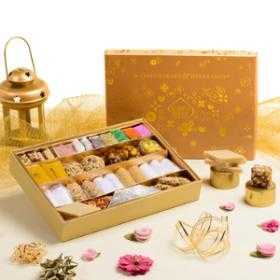
Pongal sweets are an essential part of the festival. Along with traditional sweets you can also order other Indian sweets in USA online for celebration. Simply go for barfis, pedas, or ladoos.
-
Virtual celebrations
Online gatherings and live-streamed pujas help families participate even when physical gatherings are not possible.

How to Book Pongal Online Puja through Quicklly?
Online puja services offer convenience and spirituality, especially for families living in the USA. Quicklly offers the ease to book and connect with pandits at the time of Pongal puja to perform the rituals the right way. Here is how to book pandit online.
1. Go to Quicklly’s website or app
2. Log in and click on the Astrology tab.
3. Click on ‘Book Online Puja’.
4. Search for the puja you are looking to conduct. You can also put the name of the puja you are looking for in the search bar.
5. Select and fill in the required details such as date, time, etc.
6. Click on ‘Book Now’ to connect with the pandit.
After you book pandit online, you’ll receive all the details related to the puja through email.
How to Order Indian Sweets Online in the USA through Quicklly?
You don’t have to compromise on the taste just because you are staying far from home. Different stores like Rajbhog, SweeDesi, and Almond House are here to order Indian sweets in USA.
1. Simply navigate to the Indian Sweets and Snacks section on Quicklly.
2. Browse through the stores and sweets.
3. Add them to the cart and place your order.
It's as simple as that. Also, Quicklly provides you with an option to track your online Indian sweets delivery in the USA.
To Sum Up
Pongal is ultimately about gratitude and praying for prosperity together. No matter where you are celebrating, the spirit of Pongal remains the same.
Quicklly, by offering Indian sweets and online puja services, it makes it even easier for families to celebrate festivals in the USA.
With no time, start preparing for Pongal already!
FAQs
-
How to perform Pongal pooja?
Pongal pooja is simple to perform. Clean the puja area and decorate it with a kolam. Cook rice with milk until it boils over. Add jaggery and ghee to it. Offer the pongal to the Sun God, and say a small prayer of gratitude before sharing it with family as prasad.
-
What is the significance of each day of Pongal?
Each day of Pongal celebrates something different. Bhogi is about letting go of the old. Thai Pongal honors the Sun God. Mattu Pongal is about showing gratitude towards cattle for their role in farming. And the last one, Kaanum Pongal, is all about family bonding and togetherness.
-
What is the spiritual significance of Pongal?
Spiritually, Pongal is about gratitude and balance. It reminds us to thank nature, respect the forces that sustain life, and appreciate prosperity instead of taking it for granted.
-
Which God to pray for Pongal?
Pongal is mainly dedicated to the Sun God, who is also called Surya. The Sun is worshipped for providing energy and warmth that make agriculture and harvest possible.
-
What to cook on Pongal Day?
Sweet pongal is mainly cooked on Pongal Day as it is the main offering. Many families also prepare venn pongal, vada, sambar, payasam, and curd rice to complete the festive meal.
-
What is the significance of jaggery in Pongal?
Jaggery represents purity and natural goodness. Adding jaggery to pongal symbolizes the wish for a sweet, wholesome, and prosperous year ahead.
-
Which rice is best for Pongal?
Traditionally, freshly harvested raw rice is used for Pongal. Short-grain or medium-grain rice works best, as it absorbs milk and flavors well while giving the dish its soft texture.




 USA
USA Canada
 India
India
